Relocating to Hennepin County involves more than just a change of address; it requires integrating into a sophisticated infrastructure ecosystem. From the urban density of Minneapolis to the expansive suburban reaches of Minnetonka and Eden Prairie, utility management structures vary significantly by municipality. Ensuring these services are active before move-in day is the cornerstone of a successful transition.
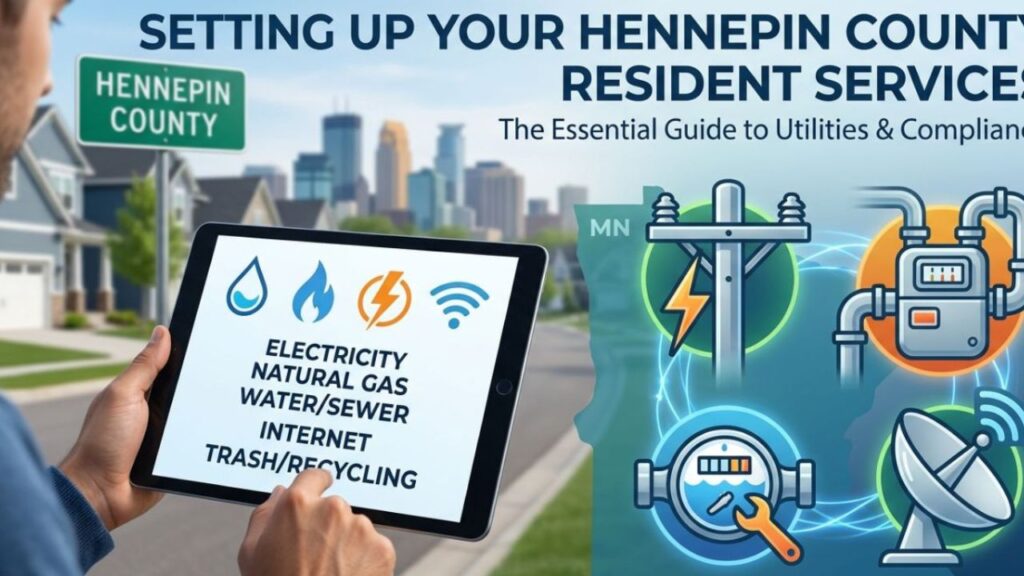
Navigating the Energy Grid: Electricity and Natural Gas
In the volatile climate of Minnesota, where seasonal temperature swings are extreme, energy reliability is a matter of safety. Hennepin County’s energy needs are primarily serviced by two major regulated entities that operate under state-mandated rate structures.
Primary Energy Infrastructure
The vast majority of residential properties in the county rely on a dual-provider system. Coordinating with these entities at least ten business days before your closing date is recommended to avoid connection lapses.
- Xcel Energy (Electricity):
As the primary electric utility, Xcel manages the grid for most of the county. They offer various “Time-of-Use” programs that can help residents reduce costs by shifting heavy appliance usage to off-peak hours. - CenterPoint Energy (Natural Gas):
This is the largest gas provider in the region. Most homes in Hennepin County utilize natural gas for heating, water heaters, and cooking ranges.
Provider Matrix by Service Area
| Service Category | Principal Provider | Specialized Service Areas |
| Electricity | Xcel Energy | County-wide (Majority) |
| Natural Gas | CenterPoint Energy | County-wide (Majority) |
| Cooperative Electric | Wright-Hennepin / Dakota Electric | Specific rural or border pockets |
| Heating Oil/Propane | Private Vendors | Unincorporated or older rural estates |
Municipal Infrastructure: Water, Sewer, and Waste Management
Unlike energy services, water and waste management are typically decentralized and governed by individual city municipalities. There is no “county-wide” water bill; instead, your local City Hall serves as the administrative hub for these essentials.
Activation of Water and Sewer Accounts
When purchasing property, the title company often facilitates the final meter reading, but the responsibility for account activation rests with the new owner.
- Minneapolis Residents:
Utilities are bundled under “Minneapolis City Services,” which includes water, sewer, and solid waste on a single monthly statement. - Suburban Residents:
Cities like Bloomington, Plymouth, and Maple Grove manage their own billing departments. Some suburbs utilize quarterly billing cycles rather than monthly, which is an important factor for household budgeting.
Environmental Stewardship: Trash and Recycling
Hennepin County maintains rigorous environmental standards. Most municipalities provide standardized bins for waste and recycling, but the pickup schedules are strictly enforced.
- Standard Refuse:
Weekly curbside collection is the norm. - Recycling Protocols:
The county operates under a “Single-Sort” system, meaning paper, metal, and plastic go into one blue bin. - Organics Composting:
An increasing number of cities now offer curbside organics recycling to divert food scraps from landfills, a key component of the county’s long-term sustainability goals.
Digital Connectivity: High-Speed Internet and Fiber Optics
Hennepin County boasts one of the most competitive digital landscapes in the Midwest. Access to high-speed fiber is becoming the standard, particularly in high-density areas.
Comparing Key Service Providers
- US Internet:
A local favorite in Minneapolis, offering symmetrical fiber-to-the-home (FTTH) connections with speeds reaching up to 10 Gbps. - Comcast (Xfinity):
The most widely available cable provider in the suburbs, offering bundled packages for mobile, security, and internet. - Quantum Fiber (CenturyLink):
Providing significant fiber infrastructure in newer developments and established suburban neighborhoods.
Civic Compliance and Essential Resident Services
Beyond the physical wires and pipes, establishing residency requires timely updates to your legal documentation to remain compliant with Minnesota state law.
Driver’s License and Vehicle Registration
Upon establishing a permanent residence, you have 60 days to obtain a Minnesota Driver’s License and register your vehicles. Hennepin County operates several Service Centers (e.g., Ridgedale, Brookdale, and the Government Center) where these tasks can be completed.
Emergency Notification: CodeRED
New residents are encouraged to enroll in the Hennepin County CodeRED system. This is the official channel for emergency alerts, including severe weather warnings, evacuation notices, and public health emergencies.
Essential Move-In Benchmark Table
| Timeline | Priority Task | Primary Contact |
| 14 Days Prior | Energy Account Transfer | Xcel Energy / CenterPoint |
| 10 Days Prior | Water & Sewer Setup | Local City Hall (Public Works) |
| 7 Days Prior | Internet & Media Installation | Chosen ISP (US Internet, Xfinity, etc.) |
| Move-in Day | Final Meter Verification | Self-Inspection (Digital Photos) |
| 30 Days Post | Homestead Tax Filing | Hennepin County Assessor’s Office |
Strategic Success for New Residents
The efficiency of Hennepin County’s infrastructure is a point of local pride, but it requires proactive management from the homeowner. By following these accurate timelines and contacting the correct municipal departments, you ensure that your new home is secure, connected, and fully operational from the moment you turn the key.
Industry Note: Always verify the “Homestead” status of your new property within the first month of occupancy. This simple administrative step can significantly lower your annual property tax liability.
FAQs
How are winter energy costs managed in Hennepin County?
Minnesota winters can lead to significant spikes in natural gas usage. Most providers offer “Balanced Billing” or “Budget Plans,” which average your annual usage into predictable monthly payments to avoid winter financial strain.
Is trash collection included in my property taxes?
Generally, no. While some municipal services are funded through taxes, trash and recycling are usually billed as a direct utility fee, either through your city water bill or a contract with a private hauler authorized by your city.
Does the county provide assistance for utility costs?
Yes, the Low Income Energy Assistance Program (LIHEAP) is available for qualifying households through the Hennepin County Department of Human Services to ensure no resident is left without heat during the winter months.
What is the “Cold Weather Rule” and how does it protect Hennepin County residents?
The Minnesota Cold Weather Rule (CWR) protects residential customers from having their electric or natural gas service shut off between October 1 and April 30. To qualify for this protection, you must contact your utility provider (like Xcel or CenterPoint) to set up a payment plan. This is a critical safety net for residents during the harsh Minnesota winters, ensuring that essential heating remains active even during financial hardship.
How do I find out who provides trash and recycling services in my specific Hennepin County suburb?
Unlike electricity, trash collection varies by city. In Minneapolis, the city handles it directly. However, in “Open Subscription” cities like Plymouth or Maple Grove, residents must choose and pay for a private hauler from a city-approved list. You can find your specific city’s requirements by visiting the “Residential Services” section of your local municipality’s official website or by calling your City Hall’s Public Works department.