
“As an Amazon Associate, I earn from qualifying purchases. This means that if you click on a link and make a purchase, I may receive a small commission at no extra cost to you.”
Moving into a new property marks the beginning of a fresh financial chapter. Along with the joy of homeownership comes a mountain of critical paperwork, closing disclosures, property deeds, mortgage agreements, and years of tax returns. In the United States, keeping these financial documents organized isn’t just about avoiding clutter; it’s a legal and financial necessity.
When tax season rolls around, or if you ever need to dispute a property tax assessment, scrambling through random drawers to find a single receipt is a nightmare. Moreover, protecting these irreplaceable documents from unexpected home disasters like fires or water leaks should be a top priority for every homeowner.
If you want to declutter your mind and protect your financial history, here is the best way to organize tax documents and property deeds safely using professional home office gear.
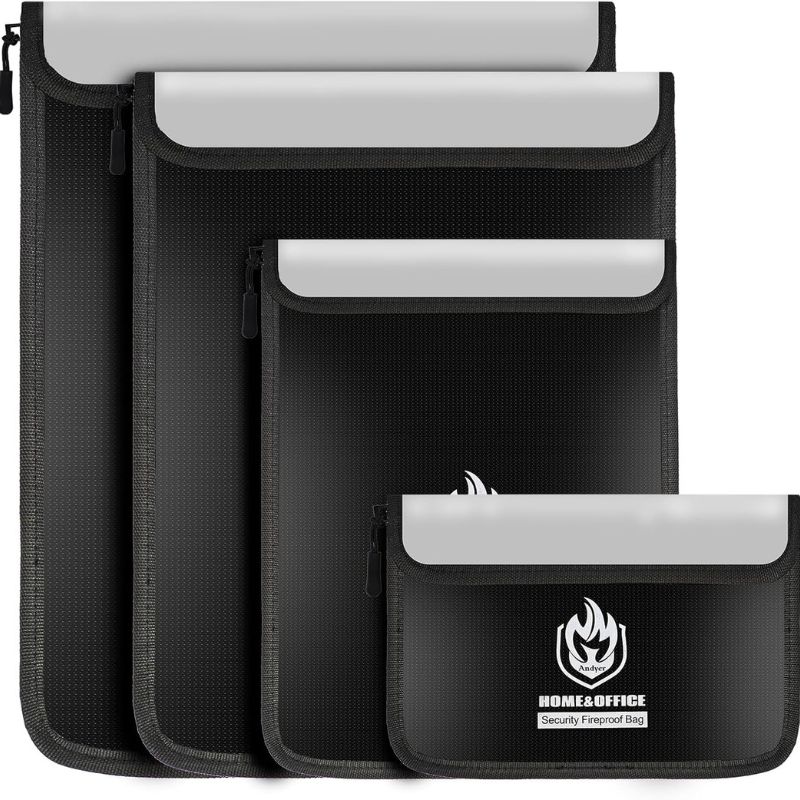
1. Invest in Fireproof and Waterproof Document Bags
Your home insurance policy or identity papers can be replaced, but original property deeds, titles, and past tax returns are incredibly difficult and costly to recover if damaged. A heavy-duty, fireproof, and water-resistant document bag is the ultimate insurance policy for your paperwork. These bags are made from high-quality fiberglass and can withstand extreme temperatures, ensuring your most vital records survive any emergency.
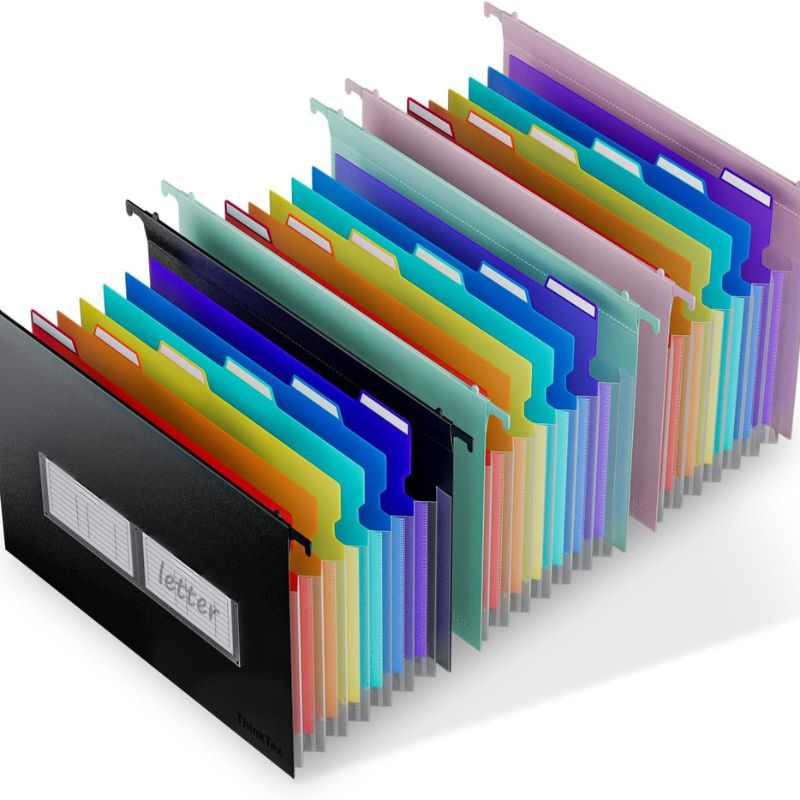
2. Use Expanding File Folders (Accordion Organizers)
The secret to efficient tax organization is categorization. Instead of stacking papers chronologically, use an expanding accordion file folder with color-coded labels. Dedicate specific slots for different categories: W-2 forms, business receipts, property tax receipts, home improvement invoices (which can reduce capital gains tax later), and utility bills. This keeps everything visible and accessible at a glance.
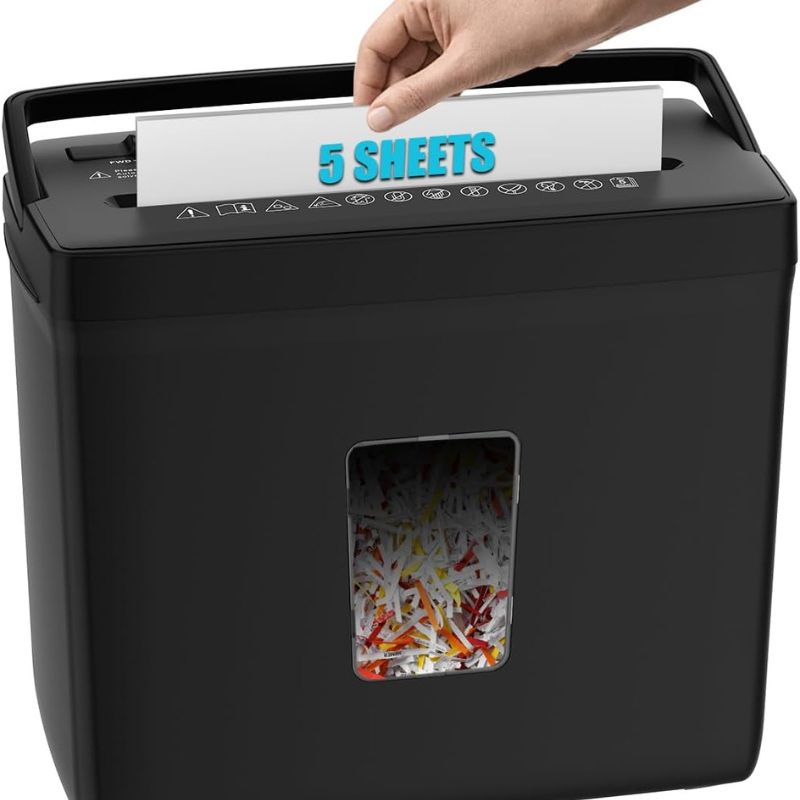
3. Keep a High-Security Paper Shredder Handy
Organizing your financial life also means throwing away what you don’t need. However, tossing old bank statements, expired credit cards, or medical bills directly into the trash is an open invitation for identity theft. A reliable cross-cut paper shredder in your home office ensures that sensitive personal data is destroyed permanently before hitting the recycling bin.
4. Transition to Digital with a Portable Document Scanner
While keeping physical copies of property deeds is essential, the IRS accepts digital receipts for tax purposes. A compact, portable document scanner allows you to digitize your receipts, invoices, and deduction proofs instantly. Backing up these files to a secure cloud drive or an external hard drive ensures you have a permanent digital ledger that takes up zero physical space.

Final Thoughts: Peace of Mind
Taking a single weekend to set up a proper filing system for your property and tax documents will save you hours of stress every single April. Protect your physical papers with fireproof gear, shred the sensitive waste, and organize the rest into clear categories. Your future self will thank you!